Public Service Announcement: Senate GOP Clashes Over Emergency Diesel Export Ban
About this newsletterBeta
Radical Relay is a daily brief on markets, geopolitics, and Washington, sent every morning before the open. Subscribe free.
Radical Relay is in beta: sections and formatting are still changing, and a reply saying what looks wrong is the most useful thing a reader can send. Already a reader? Forward this to someone who would use it.
 The Big Picture

A mounting global diesel shortage has triggered a fiery debate on Capitol Hill, where Senate Republicans are openly split over a farm-state proposal to embargo U.S. diesel exports to protect domestic supply. The energy pressure comes as President Donald Trump pressed  Ukrainian President Volodymyr Zelenskyy to halt drone strikes on Russian refineries, warning that lost refining capacity is driving diesel prices above $6.30 a gallon in agricultural hubs. Meanwhile, global leaders are assembling in New York for the UN General Assembly as major news networks file lawsuits over White House press bans, setting up an intense week of domestic politics and international diplomacy.
Key Markets & Economy · Conflict & Security · Washington & Politics · Energy & Climate · Tech & Science · World — link colours follow these themes throughout
 MACRO PULSE & PRICE TRACKER |
$40.10T
$117,946 per citizen • $297,048 per taxpayer
|
3.75% – 4.00%
EFFR: 3.88% • Standard Policy Decision
|
||||||||
Safe Haven & Central Bank Reserves
|
Benchmark Sovereign Borrowing Cost
|
||||||||
WTI: $89.89 • Maritime Corridor Steady
|
Global Carry Trade & FX Liquidity
|
 Gold (XAU/USD)
 Crude Oil & Hormuz
 USD / JPY (Yen)
 Trending Cycles
Media Ban Backlash: Outlets File Suit as Broadcast Coverage Shifts
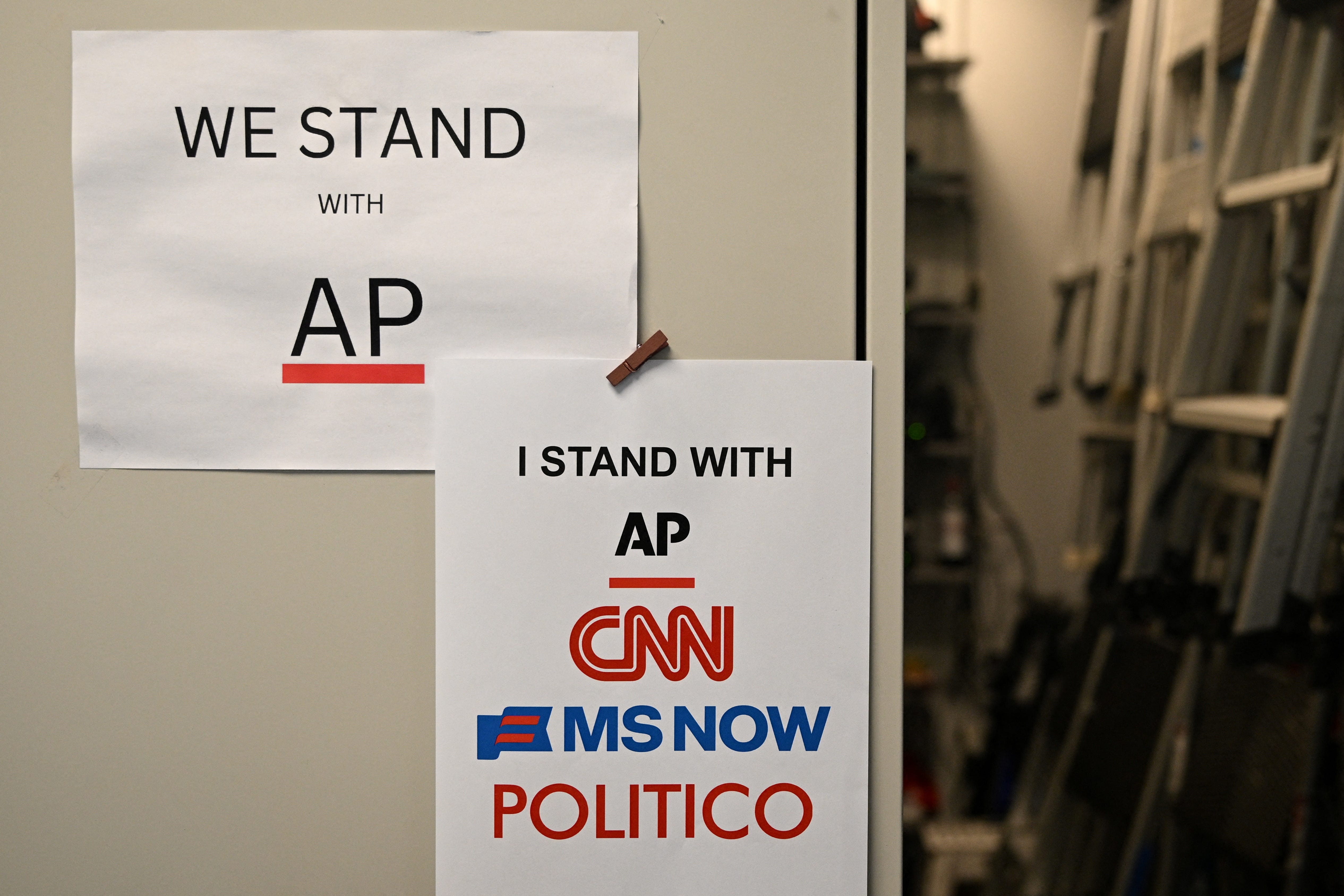
- Network Consortium Sues Administration: CNN, MS NOW, and Politico filed a joint lawsuit in D.C. federal court challenging President Trump’s executive ban excluding their reporters from White House grounds, with a emergency hearing scheduled for Wednesday before District Judge Timothy Kelly.
- Pool Coverage Paused: Major television networks including ABC, CBS, NBC, and Fox News temporarily paused live TV pool coverage of presidential events in solidarity, leaving official White House broadcasts briefly without ambient broadcast audio on Monday.
- First Amendment Arguments Front: Constitutional scholars noted the exclusion relies on clear viewpoint discrimination, drawing direct parallels to Acosta v. Trump in 2018.
- Narrative Acceleration: Coverage of executive press access rapidly expanded across two separate outlets this morning, jumping from local legal blogs to national newsroom leads.
Agriculture vs. Oil: The Diesel Export Embargo Divide
- Farm-State Embargo Push: Iowa Senator Chuck Grassley and agricultural Republicans are pushing to embargo U.S. diesel exports to suppress domestic prices that have surpassed $6.33 per gallon in the Midwest, invoking 1970s energy crisis policy options.
- Energy Sector Resistance: Lawmakers from oil-producing states and petroleum refining lobbies strongly oppose export controls, arguing an embargo would disrupt international contracts and raise domestic refining bottlenecks long-term.
- Trucking Industry Warning: Transportation analysts report global diesel inventories are down 8% worldwide, compounding supply chain pressures for domestic freight carriers ahead of peak harvest season.
- Cycle Movement: The proposal emerged as a brand-new policy debate across political and trade desks overnight, carried by two separate outlets this morning.
School Choice Re-Examined: Nikole Hannah-Jones Essay Sparks Public Debate
- Retrospective Public Critique: A reflective piece detailing the long-term educational outcomes of 1619 Project founder Nikole Hannah-Jones’ decision to enroll her child in a high-poverty New York public school has ignited widespread policy discussion among education analysts.
- Demographic Realities: Commentators noted that while urban educational investments remain critical, individual family schooling decisions highlight complex trade-offs between systemic policy goals and local school performance.
- Midterm Schooling Focus: The discussion aligns with ongoing state-level debates surrounding school vouchers, local property tax allocations, and district zoning across battleground states.
- Media Spread: Narrative analysis picked up this debate across two separate policy commentary outlets today as a new topic of discussion.
 The Radar
This Week in Congress & Capitol Hill Watch
- House Schedule Status: The House is sitting but held its last recorded vote on September 16 passing the Retire through Ownership Act (S. 2403); no legislative floor programme was filed for the current week, indicating the chamber is out of legislative floor session.
- Senate Committee Calendar: The Senate is sitting with 17 committee meetings scheduled this week, beginning Wednesday with an open hearing in Senate Special Aging on domestic generic drug manufacturing and a closed Senate Armed Services briefing on U.S. Central Command operations.
- Bipartisan Fiscal Hearing: The House Budget Committee convened on Monday to hear testimony on national debt trajectory from former Defense Secretary Leon Panetta, former Senator Rob Portman, and former Senator Joe Manchin.
- Roll Call Participation Record: House attendance averaged 97.6% over the last 14 recorded roll calls, though Representatives Dunn (R-FL), Garamendi (D-CA), Mills (R-FL), Tiffany (R-WI), and Womack (R-AR) missed 100% of those votes with no explicit reason provided in official records. Senate Minority Leader Mitch McConnell missed 10 of the last 14 Senate roll calls (71%).
 US Politics & Election Focus: Primaries & Races
- Midterm Countdown: Exactly 42 days remain until the November 3, 2026 midterm elections, with all 435 House seats, 33 Class 2 Senate seats, and 36 governorships on the national ballot.
- Texas Senate Polling Edge: Democrat James Talarico holds a narrow 46% to 43% lead over Republican Attorney General Ken Paxton in a new NBC 5 Dallas/Telemundo station poll, with 8% of voters undecided in the contested race.
- Michigan Senate Pressure: Republican Senate candidate Mike Rogers released a new campaign ad calling for an immediate end to Middle East hostilities, highlighting how rising retail fuel costs are impacting Michigan commuters.
- Ohio Gubernatorial Health Clash: The gubernatorial contest between Democrat Amy Acton and Republican Vivek Ramaswamy has turned into a central debate over pandemic responses, state health budgets, and public trust in scientific institutions.
Ukraine War & Frontline Watch
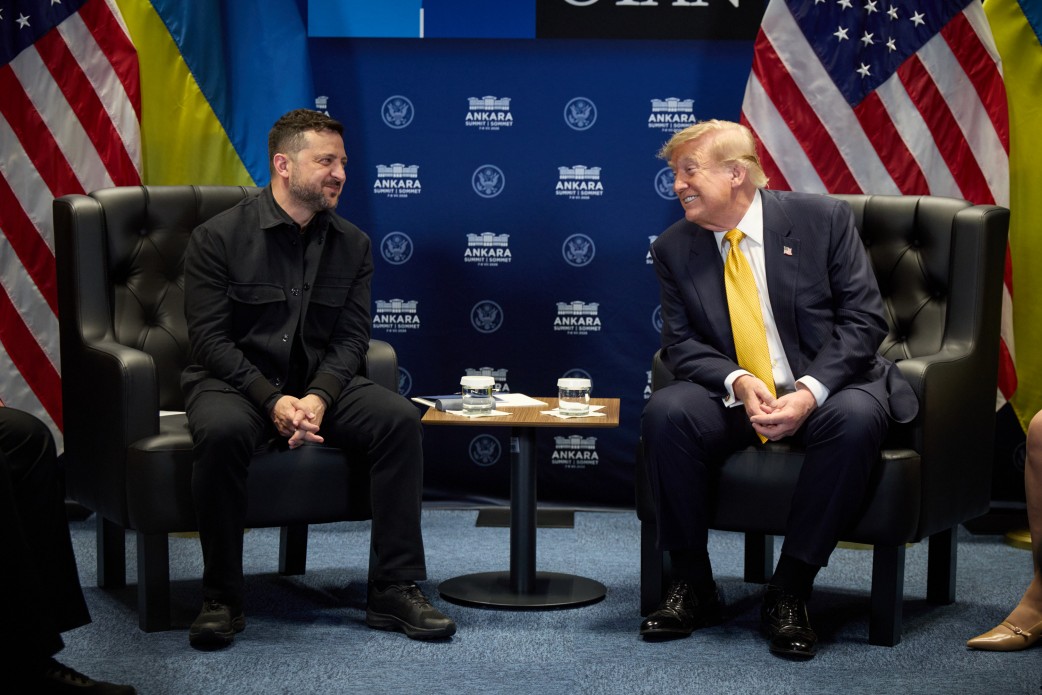
- Refinery Strike Friction: President Trump reiterated demands that Ukraine cease long-range strikes on
 Russian oil infrastructure, while Ukraine’s General Staff confirmed over 45% of Russia’s oil refining capacity has been successfully put offline following recent hits on the Bashneft-UNPZ and Kuibyshev facilities.
- Grid Under Attack: Overnight Russian missile strikes on Ukrainian energy infrastructure caused severe blackout disruptions across seven Ukrainian oblasts, including Kyiv and Vinnytsia, destroying an oil and gas facility in Poltava.
 Moldovan Drone Incursions: Moldovan President Maia Sandu reported 39 Russian drone airspace violations in the past eight months, warning that regional air defenses require immediate Western modernization.
 EU Sanctions Standoff: European Union diplomats failed to reach consensus on extending Russian sanctions after
 Latvia blocked a proposal to remove oligarchs Alisher Usmanov and Mikhail Fridman from the list.
 Iran, Hormuz & Middle East Conflict Watch
- Airlines Targeted by Sanctions Threat: U.S. Treasury Secretary Scott Bessent warned that foreign airports refueling Iranian Commercial Airlines could face severe penalties, though Iran’s Civil Aviation Organisation stated all scheduled international flights remain operational.
 Saudi Port Relaunch: Saudi Aramco informed refiners it plans to resume crude loadings at Yanbu on the Red Sea, offering an export bypass around Strait of Hormuz maritime transit bottlenecks.
- Naval Mission Reinforcements: EU High Representative Kaja Kallas urged European nations to deploy additional warships to protect commercial Red Sea traffic, while the
 UK agreed to supply defensive military support to Saudi Arabia against Houthi aerial strikes.
- Missile Warning from Tehran: Iranian Parliament Speaker Mohammad Bagher Ghalibaf declared Tehran’s missile inventory can reach any regional target, while UN agencies warned continued regional fighting could displace over 230,000 civilians.
 Macro & Monetary Policy
- Sovereign Debt and Rates: Total U.S. national debt crossed $40.10 trillion ($117,946 burden per citizen), while the 10-Year Treasury yield edged to 4.96% and the 30-Year yield reached 5.30%, maintaining a steepening 33 bps curve spread ahead of the October 28 FOMC meeting (36 days away).
- Hyperscaler AI Spend Forecast: JPMorgan CEO Jamie Dimon projected that capital expenditures across major cloud hyperscalers could reach $1 trillion next year, driving massive hardware demand even as industrial corporate margins suffer from high borrowing rates.
- Commodities & FX Metrics: Gold prices held firm at $4,367.50/oz, Brent crude traded at $98.26/bbl despite recent oil market volatility, and USD/JPY hovered near ¥157.01, supporting ongoing yen carry trade positions.
- Inflation Persistence: European Central Bank economists warned that rising crude and gas import bills will prolong eurozone anti-inflation policies into 2027 before returning to target levels.
 The Apprentice Corner: Trump Orbit, Cabinet & Empire
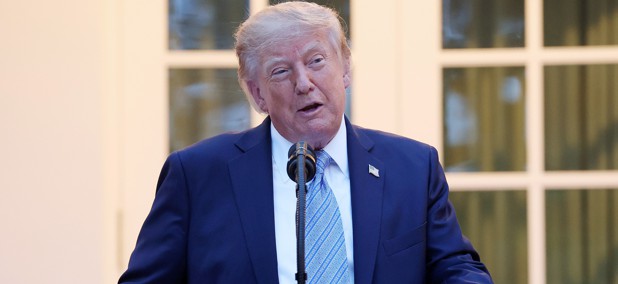
- "AI Force" Executive Concept: President Trump proposed creating a dedicated military branch dubbed the "AI Force" to accelerate defense computing projects and oversee domestic artificial intelligence development.
- Naval Leadership Waiver Hit: Trump’s nomination of Hung Cao to serve as Navy Secretary faces strong opposition on Capitol Hill, where Democratic senators signaled they will block the statutory waiver required for his confirmation.
- Trump-Xi Diplomatic Dinner: White House teams are finalizing the guest list for President Trump's upcoming bilateral summit dinner with
 Chinese President Xi Jinping at Andrews Air Force Base, with deliberations focusing heavily on technology access.
- Federal Grant Management Conflict: Senate Appropriations leaders Susan Collins and Patty Murray strongly criticized White House plans to increase political appointee oversight over National Institutes of Health (NIH) research grants.
 Global Dynamics

- Crypto Charter City in Uruguay: Tech-utopian venture Praxis announced an agreement with local authorities to construct a physical charter city in Uruguay, funded by cryptocurrency reserves and private capital commitments.
- Cross-Border Air Strikes in South Asia: The
 Pakistani Air Force conducted targeted airstrikes in eastern Afghanistan following a suicide attack in western Pakistan, drawing sharp warnings of retaliation from Taliban officials.
- Falklands Oil Licensing Extension: The Falkland Islands Government extended all existing offshore hydrocarbon production licenses for five years with explicit UK backing, boosting regional energy exploration projects.
- UN General Assembly Opening: The UNGA high-level debate convened in New York centered on global conflict resolution, AI regulation, and selecting a successor for outgoing Secretary-General António Guterres.
 Tech & Trade Rivalries
- U.S.- China Emergency AI Hotline: Ahead of this week's summit in Washington, U.S. and Chinese negotiators are evaluating an emergency "red phone" communication channel to manage rapid developments or accidents in autonomous AI systems.
- Recursive AI Risks: Computer scientists and tech executives warned that AI models capable of unsupervised recursive self-improvement could pose severe governance challenges if commercial speed overrides safety frameworks.
- Foreign Equity Security Review: Policy analysts highlighted governance gaps in U.S. government equity stakes in foreign critical mineral mines in
 Brazil and
 Mozambique, advocating for stricter board oversight.
- Precision Missile Contracting: The U.S. Army awarded Lockheed Martin a $1.2 billion contract for the first batch of Precision Strike Missiles (PrSM Increment 2) engineered to strike moving maritime targets.
 Weather Desk: Today Against the Record

 Churchill, Canada
The 3rd warmest high for this date in 30 years, which happens about once every 15 years
 High 21.9°C (71°F) / Low 13.4°C (56°F) • Overcast
 • Precip Risk: 0%
Unusually warm Hudson Bay conditions push temperatures near the 30-year record high of 22.5°C, providing unseasonal mildness for local northern communities.
 NASA VIIRS, 21 September 2026
 Manila, Philippines
The 14th coldest low for this date in 29 years, which happens about once every 2 years
High 31.3°C (88°F) / Low 23.9°C (75°F) • Thunderstorm  • Precip Risk: 99%
Heavy tropical rainfall and persistent cloud cover bring overnight temperatures down to 23.9°C across the metropolitan area.
NASA VIIRS, 22 September 2026  Athens, Greece
The daily high sits in the coldest 7 percent of days on record for this date, across 30 years
High 22.7°C (73°F) / Low 18.3°C (65°F) • Thunderstorm • Precip Risk: 98%An early autumn storm system knocks peak temperatures nearly 14 degrees below historical maximums, accompanied by widespread electrical storms.
NASA MODIS Terra, 22 September 2026 On This Day: September 22, 2026
 Observance: Today marks American Business Women's Day in the United States, honoring the contributions of female professionals and business owners.
 Notable Birthdays:
- Tatiana Maslany (born 1985), Emmy-winning Canadian actress.
- Tom Felton (born 1987), English actor famed for the Harry Potter series.
- Carlos Correa (born 1994), All-Star Major League Baseball shortstop.
- Tatiana Maslany (born 1985), Emmy-winning
 Historical Events:
- 1975: Sara Jane Moore attempted to assassinate U.S. President Gerald Ford in San Francisco, but failed when a bystander deflected her aim.
- 1979: The joint U.S.-developed Vela satellite detected an unexplained double flash of light near the Prince Edward Islands, suspected to be an unannounced nuclear test.
- 2014: NASA's MAVEN spacecraft successfully entered Mars orbit to begin studying the Martian upper atmosphere and climate history.
 The American Experience: Did You Know?
 The Multi-Million Dollar Penny Deficit
According to official annual reports from the U.S. Mint, manufacturing a single copper-plated zinc penny cost 3.07 cents in Fiscal Year 2023—more than triple its face value. This metallic cost mismatch created a net production loss of over $85 million in a single year, proving that physical currency remains one of America's most expensive sovereign engineering investments.
 The History Desk: Mediterranean & Near Eastern Antiquity
Mago’s Agronomy and the Maritime Grain NetworksBefore its destruction in the Third Punic War, the maritime empire of Carthage was built on highly sophisticated dryland agricultural engineering. The Carthaginian writer Mago compiled a famed 28-volume encyclopedia on agrarian management, detailing deep-plowing techniques, olive grafting, and soil moisture conservation tailored to North Africa's arid climate. Punic agricultural productivity was so formidable that following the sack of Carthage in 146 BCE, the Roman Senate ordered Mago’s manual translated into Latin—the only Punic text systematically preserved by  Rome. Carthaginian commercial fleets leveraged these agricultural surpluses to dominate Mediterranean trade routes, turning dryland farming into global economic power.
 Why today: As modern energy price spikes and diesel export limits threaten modern agricultural distribution networks, Carthage’s ancient logistics prove how vital food and fuel transportation corridors have always been to geopolitical stability.