The Prince's Indulgence: Trump Waives Sweeping Russia Sanctions Under Graham Act
 The Big Picture
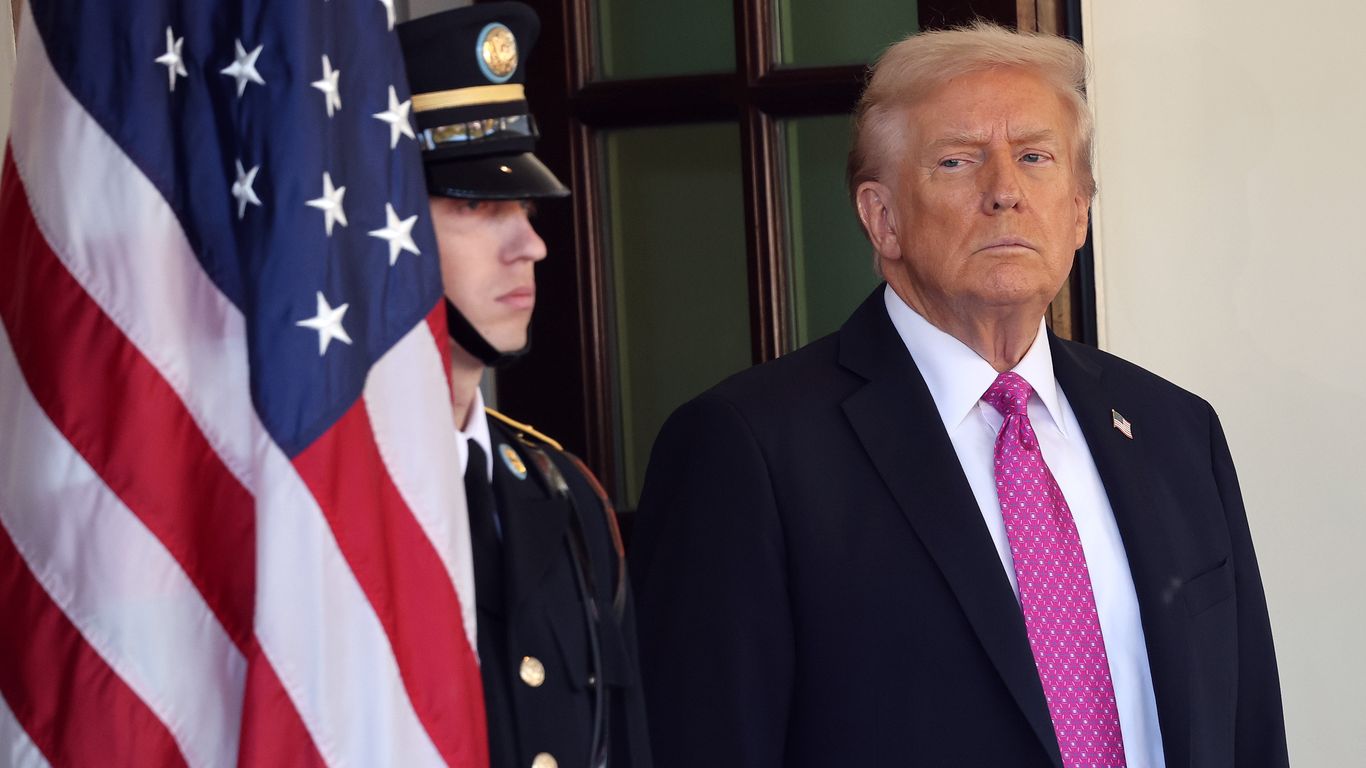
President Donald Trump issued an executive order late Friday temporarily waiving sweeping congressional penalties against  Moscow under the Lindsey O. Graham Sanctioning Russia and Iran Act of 2026, citing United States national interests as global crude oil pushes near $110 a barrel. The controversial reprieve, which Ukrainian President Volodymyr Zelenskyy denounced as a dangerous sanctions blackout, lands alongside severe domestic West Wing turbulence following the ouster of White House press secretary Katie Zacharia after less than a week on the job. Across the northern border,
 Canadian Prime Minister Mark Carney delivered a passionate defense of federal unity as tens of thousands rallied in Calgary ahead of Alberta's upcoming secession referendum, underscoring widening political fractures across North America just 17 days before the US midterms.
 MACRO PULSE & PRICE TRACKER |
$40.39T
$118,789 per citizen • $299,173 per taxpayer
|
3.75% – 4.00%
EFFR: 3.88% • Standard Policy Decision
|
||||||||
Safe Haven & Central Bank Reserves
|
▬ 10Y ▬ 30Y • Spread +34 bps • unchanged on the day • was +34 bps on 16 Sep
|
||||||||
WTI: $99.02 • Brent 30D range $99–$110
|
Global Carry Trade & FX Liquidity
|
 US National Debt
 Gold (XAU/USD)
 Crude Oil & Hormuz
 USD / JPY (Yen)
 Trending Cycles
The Five-Day Press Secretary: Katie Zacharia Exits the White House Podium

- Podium Departure: White House press secretary Katie Zacharia is transitioning out of her role after just five days on the job, marking the shortest tenure for a chief presidential spokesperson in modern history following a disastrous debut briefing and scrutiny over her credentials, according to reporting by Axios and BBC World News.
- Public Reaction: In a public statement on social media, Zacharia said it was an honor to serve President Trump, while senior officials confirmed to NPR that the administration sought a rapid change after widespread criticism of her media preparedness.
Retreat to the Base: Trump Rallies Red States as Midterm Pressure Mounts
- Campaign Recalibration: President Donald Trump has adjusted his closing midterm campaign itinerary, scheduling appearances across solidly Republican states he won comfortably two years ago rather than focusing strictly on competitive swing districts, according to an analysis by NPR.
- Defensive Posture: The pivot toward deep-red territory highlights GOP anxieties over high agricultural diesel costs and turnout erosion, compelling the administration to reinforce conservative base turnout in states like Georgia, South Carolina, and Iowa just weeks before polls close, as noted by Roll Call.
 The Radar
This Week in Congress & Capitol Hill Watch
- Chamber Voting Status: The House is not currently voting, with its last recorded roll call held 31 days ago on September 16, while the Senate is likewise not voting, having held its last recorded floor vote 17 days ago on September 30.
- Upcoming Committee Action: The sole legislative gathering scheduled on the congressional calendar is a Friday, October 23 hearing held by the House Committee on Education and the Workforce titled “More Choices, Brighter Futures: Expanding Education Freedom”.
- Recent Legislative Record: Before departing Washington, the House passed S. 2403, the Retire through Ownership Act, under suspension of the rules on Roll Call 314, while the Senate formally confirmed Keith Sonderling to be Secretary of Labor by roll call vote on PN1129.
- Roll Call Absences: Across the final 14 House roll calls, Representatives Neal Dunn, John Garamendi, Cory Mills, Tom Tiffany, and Steve Womack each missed 14 of 14 votes (absent from 100% of them), with the official Clerk record showing no stated reason; in the Senate, Dan Sullivan missed 8 of the last 14 votes (absent from 57% of them), with no reason provided in the official record.
 US Politics & Election Watch
- Midterm Countdown: The 2026 federal midterm election is exactly 17 days away on November 3, 2026, with all 435 House seats, 35 Senate seats (including 33 Class 2 seats and special elections in Florida and Ohio), and 36 governorships on the ballot.
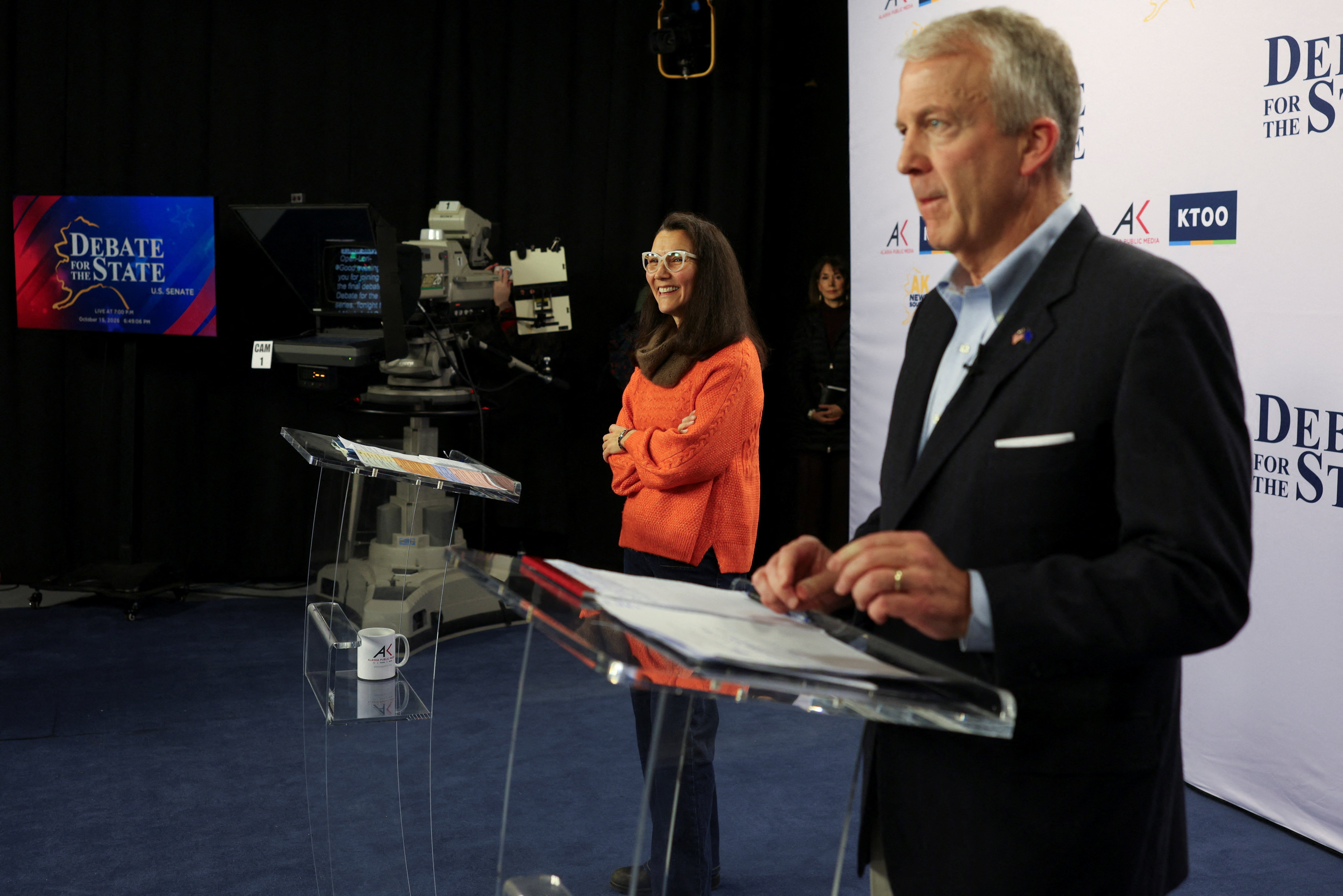
- Senate Clashes & Campaign Debates: In Alaska, incumbent Republican Senator Dan Sullivan clashed sharply with Democratic challenger Mary Peltola over regional fuel inflation stemming from Middle East tensions during an hourlong televised debate broadcast by PBS NewsHour and The Hill.
- Ballot Processing Warnings: The Department of Justice issued formal warnings to California local officials, asserting that election workers who tabulate or process ballots from suspected noncitizen registrants face potential criminal investigation, as reported by PBS NewsHour.
- Grassroots Mobilization: The civic coalition behind nationwide anti-Trump demonstrations announced a shift toward nonpartisan voter registration and turnout operations this weekend, according to reporting by NPR.
 Ukraine War & Frontline Watch
- Massive Energy Barrage: Russian forces executed a coordinated missile and drone strike targeting more than 15 power generation and transmission facilities across Ukraine overnight, causing widespread grid disruptions and leaving over 370,000 residents without power in Volyn Oblast, according to WarTranslated and Euromaidan Press.
- Airspace Restrictions Inside Russia: Deep Ukrainian drone incursions forced Russian aviation regulators to halt operations across 12 domestic airports, delaying or canceling over 370 flights around Moscow, as reported by CyberBoroshno analysts, while Ukrainian drone operators confirmed the destruction of a Russian TOS-3 Drakon thermobaric rocket system, according to Ukrainska Pravda.
- European Military Commitments:
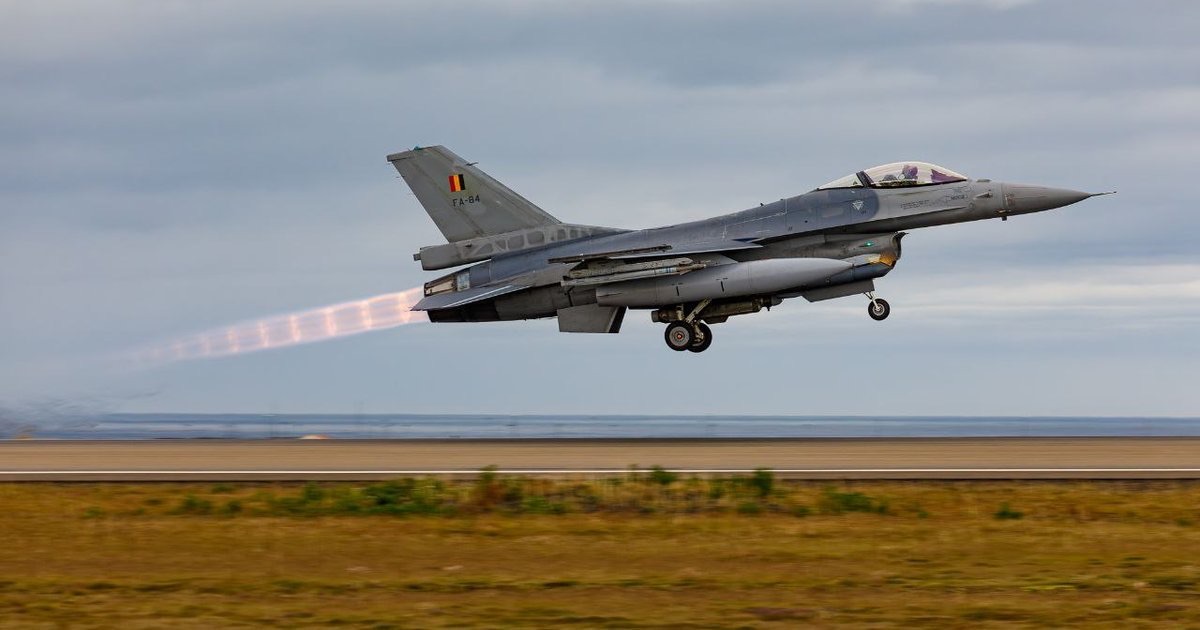
 Belgium announced it will triple planned deliveries of F-16 fighter aircraft to Kyiv, pledging 10 jets by year-end, as reported by Euromaidan Press, while roughly 1,500 European troops prepare to conduct deployment exercises in
 Poland next month to prepare contingency plans for an eventual ceasefire, according to Ukrainska Pravda.
 Iran, Hormuz & Middle East Conflict Watch
- Maritime Fog in the Chokepoint: Commercial passage through the Strait of Hormuz has grown increasingly murky, with the
 United Kingdom Maritime Trade Operations (UKMTO) warning that the majority of recent attacks against merchant vessels are going unreported by commercial shipping lines fearful of insurance cancellations, as detailed by gCaptain.
- Surging Energy Benchmarks: Brent crude touched $109.86 per barrel and West Texas Intermediate rose to $99.02, driven by mounting fears that protracted regional skirmishes will disrupt maritime shipping lanes and critical Gulf processing facilities, according to reporting by MercoPress and Commodity Context.
- Militia Financing Reversal: US Central Command Commander Admiral Brad Cooper revealed that regional proxy networks are funneling funds back to Tehran to bolster a cash-starved Islamic Revolutionary Guard Corps after nine months of intensive regional hostilities, according to reporting by Axios.
 Macro & Monetary Policy
- Debt Trajectory & Yield Spreads: Total US national debt climbed to $40.39 trillion ($40,388,317,675,071.91), adding $59.09 billion over the past 24 hours, while the 10-year Treasury yield rose one basis point to 5.10% and the 30-year yield touched 5.44%, leaving the curve spread steady at +34 basis points despite persistent wholesale price pressures described by MarketWatch.
- Fed Rate Expectations & Carry Unwind: The Federal Reserve policy rate sits at a target range of 3.75% to 4.00% ahead of the upcoming FOMC meeting on October 28, 2026, where markets interpreted remarks by Fed Chair Kevin Warsh in
 Bangkok as dovish on an October pause, as noted by Mohamed El-Erian; meanwhile, the
 Japanese yen traded at ¥157.99 per dollar amid ongoing carry trade adjustments.
- Commodity Pressure & Production Resilience: Spot gold traded at $4,181.10 per ounce amid sustained central bank reserve buying, while the domestic economy revealed underlying resilience as September industrial production expanded by 0.7%, outpacing expectations according to the Econbrowser tracker, even as the 30-year fixed mortgage rate held firm at 7.40%.
 White House Watch: Trump, the Cabinet & Family Business
- Sanctions Waiver Issued: President Trump officially signed an executive order waiving tariffs and restrictions enacted under the Lindsey O. Graham Sanctioning Russia and Iran Act of 2026, granting exemptions for buyers of Russian hydrocarbons days before statutory enforcement deadlines, as reported by The Hill and Al-Monitor.
- Press Office Shakeup: Following five turbulent days at the podium, press secretary Katie Zacharia was ousted from her role, with administration aides citing internal dissatisfaction over briefing execution, according to Axios and MercoPress.
- Golf Course Legal Maneuvers: Justice Department lawyers filed an emergency motion demanding that US District Judge Ana Reyes recuse herself from presiding over litigation challenging commercial redevelopment plans at East Potomac Golf Course, according to court documents highlighted by Chris Geidner.
 Global Dynamics

- Alberta Secession Rally: Thousands gathered in Calgary to oppose provincial secession initiatives as Canadian Prime Minister Mark Carney warned that separation would inflict catastrophic economic wounds on western provinces, according to The New York Times.
- Papal Convalescence: Pope Leo XIV was scheduled for discharge from
 Rome's Gemelli Hospital following surgery for lung cancer, prompting Vatican officials to reassure Catholic congregations while navigating delicate transparency concerns, as reported by The New York Times and the BBC.
 French Campus Mobilization: Widespread demonstrations across French university campuses escalated as student demands for higher higher-education subsidies coalesced with nationwide public anger over inflation, reported The New York Times.
 Tech & Trade Rivalries
- Bangkok Market Access Talks: United States Treasury officials formally pressed
 Chinese counterparts in Bangkok to open Beijing's domestic consumer payment networks to Citigroup and Mastercard, according to reporting by CNBC.
- Satellite Network Controversies: Scrutiny intensified across Western capitals over reported communications restrictions placed on Ukrainian military drone units operating SpaceX's Starshield and Starlink terminals, as reported by Defense News and Euromaidan Press.
- Semiconductor Sanctions Extradition:
 Swedish authorities completed the formal extradition to the United States of Russian national Alexandr Suvorov on federal charges of illicitly trafficking dual-use American microelectronics to Russian defense contractors, according to Militarnyi.
 Weather Desk: Today's Forecast Against the Record
 Calgary, Canada
 High 17.9°C (64°F) / Low 6.1°C (43°F) • Overcast
 • Precip Risk: 0%
 NASA VIIRS, 16 October 2026 Miami, FL (EXTREME) High 31.1°C (88°F) / Low 22.8°C (73°F) • Violent Rain Showers
 • Precip Risk: 77% NASA VIIRS, 16 October 2026
 Cape Town, South Africa High 17.0°C (63°F) / Low 13.6°C (56°F) • Moderate Drizzle
 • Precip Risk: 94% NASA MODIS Terra, 17 October 2026
 On This Day: October 17, 2026
- Public Observances: No federal or public holidays are observed in the United States today.
- Notable Birthdays:
- 1985: Max Irons, English-
 Irish actor known for film and television roles.
- 1995: Jamal Adams, American football safety and Pro Bowl defender.
- 2002: Matthew Knies, American professional NHL ice hockey winger.
- 1985: Max Irons, English-
- Historical Milestones:
- 1814: The London Beer Flood occurred when a massive wooden vat ruptured at the Meux & Co brewery, unleashing over 128,000 imperial gallons of porter across St. Giles.
- 1931: Chicago crime boss Al Capone was convicted in federal court on five counts of income-tax evasion, ending his criminal empire.
- 1973: During the Yom Kippur War,
 Egyptian forces retreated from the pivotal Battle of the Chinese Farm, enabling
 Israeli troops to establish their first pontoon crossing over the Suez Canal.
 The American Experience: Did You Know?
 The 1,800-Foot Four Corners Survey Offset
 Mexico, and Arizona in 1868 and 1875, frontier optical transits and surveyor's chains misjudged the true geographic coordinates. A 2009 verification by the National Geodetic Survey confirmed that the established sandstone marker sits roughly 1,800 feet east of the congressionally designated 109th meridian west. However, under long-standing federal boundary statutes and Supreme Court precedent, physical monuments marked on the ground legally supersede written descriptions, transforming a nineteenth-century surveyor's math error into binding state law.
 The History Desk:
 Revolt, Reform & Resistance
The Land League and the Invention of the Boycott County Mayo, Ireland · 1879–1881 British landlords. Rather than resorting to guerrilla violence, the Irish National Land League, founded by Michael Davitt and Charles Stewart Parnell, orchestrated a strict regime of social and commercial ostracization against Captain Charles Boycott, an English land agent managing the Earl of Erne’s estates. Local laborers refused to harvest his fields, domestic staff walked out, and nearby merchants denied him food and postal delivery. According to estimates preserved in the UK National Archives, the British government was forced to dispatch 1,000 soldiers and spend over £10,000 simply to protect 50 volunteer laborers brought in to harvest a crop valued at only £500. The non-violent defiance gave the English language a new word, exposed imperial administrative vulnerability, and coerced Westminster into passing the Land Law (Ireland) Act of 1881, which established the legal principle of fair rents and tenant security. Why today: This nineteenth-century agrarian uprising illustrates how economic non-cooperation and supply disruptions can overpower central edicts, echoing the current rural backlash as skyrocketing diesel prices squeeze American farmers and reshape the midterm map.