Heard 'Em Say: Iran Floats 48-Hour Hormuz Truce as Tanker Strikes Rattle Gulf
 The Big Picture
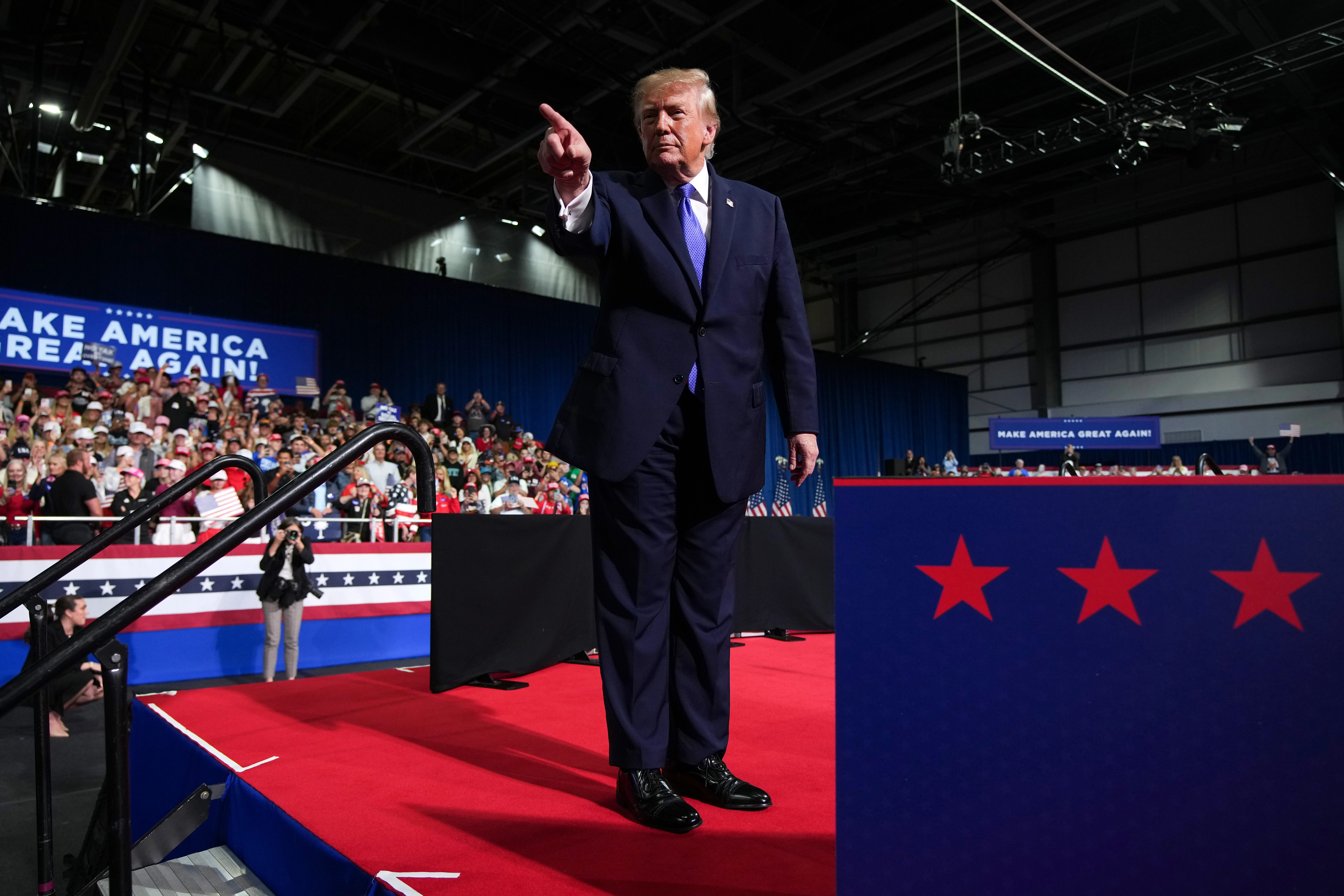
 Iranian Foreign Minister Abbas Araghchi stated that the Strait of Hormuz could reopen within two days if Washington formally recognizes a designated shipping lane coordinated with
 Oman, even as missile and drone strikes against maritime transit kept Brent crude elevated above $113 per barrel. Across the United States, congressional campaigns entered their final 48 hours before Tuesday's midterms after nonpartisan handicappers shifted 63 race ratings toward Democrats, prompting President Donald Trump to stage rapid-fire red-state campaign rallies in defense of narrow legislative majorities. In Eastern Europe, overnight
 Russian drone and missile barrages severed electrical power for hundreds of thousands of households across four Ukrainian oblasts, while
 Kyiv answered with long-range drone strikes on Russian air defense batteries and oil refineries.
 MACRO PULSE & PRICE TRACKER |
Futures -1.81% since the close • 30D -0.93%
|
The market's expected 30-day swing • 30D range 14.8–20.0
|
||||||||
$40.59T
$119,393 per citizen • $300,694 per taxpayer
|
3.75% – 4.00%
EFFR: 3.88% • SEP / Dot Plot & Press Conf
|
||||||||
Safe Haven & Central Bank Reserves
|
▬ 10Y ▬ 30Y • Spread +38 bps • steepening 4 bps on the day • was +34 bps on 30 Sep
|
||||||||
WTI: $104.12 • Brent 30D range $100–$117
|
Global Carry Trade & FX Liquidity
|
 S&P 500
 VIX Volatility
 Gold (XAU/USD)
 Crude Oil & Hormuz
 USD / JPY (Yen)
 ELECTION MARKETS |
| Kansas | Adam Hamilton (D) 51% ±0 · Roger Marshall (R) 50% ±0 |
| Iowa | Ashley Hinson (R) 56% −1 · Josh Turek (D) 44% −1 |
| Maine | Troy Jackson (D) 69% ±0 · Susan Collins (R) 32% −1 |
| Texas | James Talarico (D) 70% −1 · Ken Paxton (R) 32% +2 |
| Nebraska | Pete Ricketts (R) 75%, up from 67% |
| VA-05 | John McGuire (R) 65%, up from 59% |
| NC-13 | Brad Knott (R) 60%, down from 65% |
 Trending Cycles
Black Sea Corridor Ceasefire Proposals Surface in Diplomatic Channels
International diplomats are reviewing maritime truce proposals to protect commercial grain and energy shipments through the Black Sea.
- Diplomatic Outreach: U.S. Secretary of State Marco Rubio announced that Washington and
 Ottawa are reviewing Turkish proposals for a limited Black Sea ceasefire designed to shield grain and fuel freighters from recurring drone strikes.
- Regional Balloting:
 Bulgarian voters headed to polling stations for a presidential runoff election held under heightened naval security and economic strain driven by nearby maritime hostilities.
Security Alerts in Moscow Trigger Elevated Russian Counterterror Measures
The U.S. Embassy in Moscow issued an explicit warning regarding threats to cultural gatherings in the Russian capital.
- Diplomatic Alert: American consular officials warned citizens in Russia to avoid large public venues after identifying a potential mass casualty threat in Moscow, specifically citing the Tsaritsyno Museum-Reserve.
- Security Response: Russia's Federal Security Service confirmed receipt of the advisory through official channels, announcing that domestic units are taking active precautions across targeted municipal districts.
Cultural Tributes Follow the Passing of Actor Sir Patrick Stewart

Cultural figures and commentators marked the passing of acclaimed English actor Sir Patrick Stewart at age 86.
- Stage and Screen Legacy: Tributes highlighted Stewart's decades across the Royal Shakespeare Company and Hollywood, celebrating his enduring role as Captain Jean-Luc Picard in Star Trek: The Next Generation.
- Public Remembrance: Observers emphasized Stewart's humanitarian advocacy and philosophical imprint on popular media, reflecting on how his performances shaped modern science fiction storytelling.
 The Radar
This Week in Congress & Capitol Hill Watch
- Floor Session Status: The House and Senate remain out of legislative session and did not cast floor votes this week. The House last recorded a floor vote 46 days ago on September 16, when it passed the Retire through Ownership Act (Roll Call 314) and the Water Resources Development Act (Roll Call 313); the Senate last voted 32 days ago on September 30, confirming Keith Sonderling as Secretary of Labor (Roll Call 256).
- Committee Calendar: The lone formal Capitol Hill business currently scheduled across both chambers is a House Committee on Education and the Workforce hearing titled "Workers in Charge: Restoring Choice and Accountability in the Workplace", set for Friday, November 13.
- Attendance Records: Official roll call tallies show average House voting participation stood at 97.6% across its final 14 votes, with five members—Representatives Neal Dunn, John Garamendi, Cory Mills, Tom Tiffany, and Steve Womack—absent for 100% of those tallies (Clerk of the House); the congressional record lists no official explanation for their absences. In the upper chamber, where participation averaged 97.7%, Senator Dan Sullivan missed 8 of the final 14 roll calls, participating in 43% (Voteview).
US Politics & Election Watch

- Midterm Countdown: Voters head to the ballot box in 2 days on Tuesday, November 03, with all 435 House seats, 35 Senate seats (including special elections in Florida and Ohio), and 36 governorships on the ballot. Pre-election analysis from Inside Elections shifted 63 congressional ratings toward Democrats against just 1 moving toward the GOP, placing districts such as Kentucky's 6th into pure toss-up contention.
- Battleground Senate Clashes: Democratic candidate James Talarico and Republican incumbent Ken Paxton waged their final campaign push across Texas as early voting approached 50 million nationwide (PBS NewsHour), while Democrats zeroed in on rising fuel costs to pressure Republicans across cold-weather battlegrounds like Maine, Alaska, and New Hampshire (The Hill).
- Pre-Election Litigation: Alaska state attorneys asked a federal judge to reject a Justice Department demand seeking to impound ballots cast for an independent candidate sharing Senator Dan Sullivan's name, calling the request administratively impossible. Concurrently, an analysis of the Justice Department's list of alleged noncitizen registrants in California revealed that over 40% of the names do not appear on state voter files.
Ukraine War & Frontline Watch
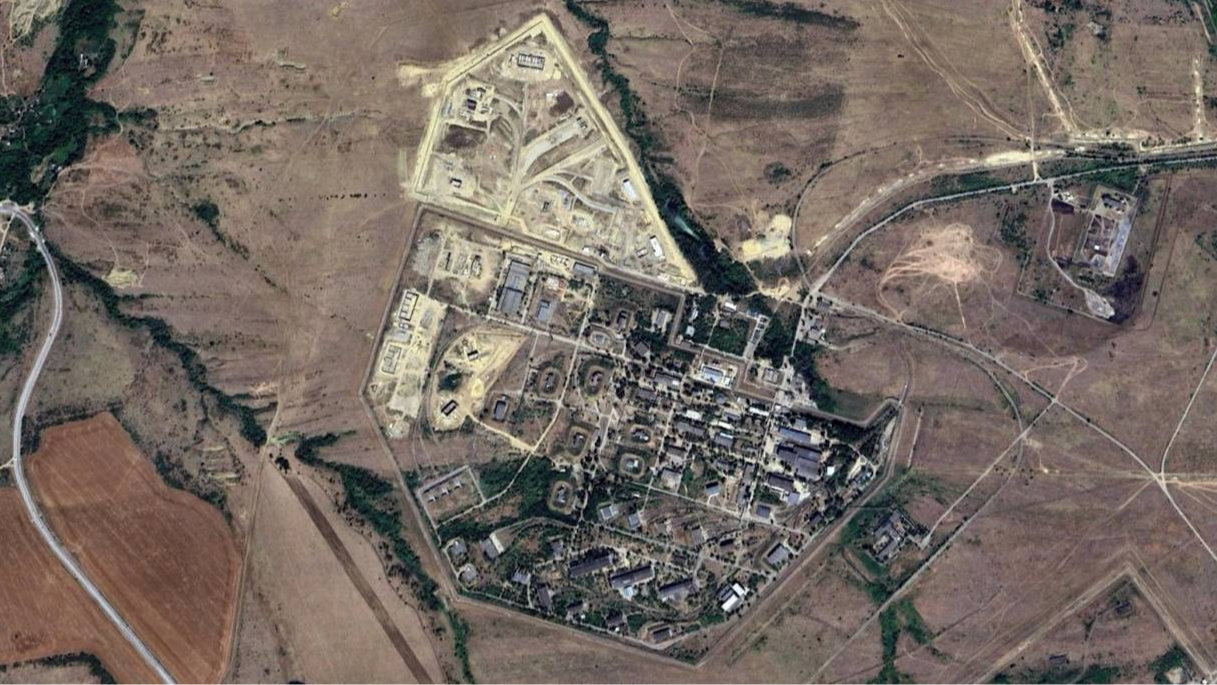
- Refinery and Air Defense Strikes: Ukrainian long-range strike drones hit LUKOIL's Kstovo refinery in Nizhny Novgorod, sparking fires at a plant refining up to 17 million tonnes of crude annually (NoelReports). President Volodymyr Zelensky also confirmed precision strikes in Rostov Oblast destroyed a Pantsir-S2 launcher, an S-400 command vehicle valued at roughly $70 million, and sections of the Kamensky missile propellant facility.
- Grid Bombardment: Russian forces launched 433 attack drones overnight—including 64 jet-powered Shahed variants—severing substations and transmission lines across four regions, knocking out power to more than 650 settlements in Zhytomyr and damaging infrastructure in Vinnytsia (Ukrainska Pravda).
- Drone Interceptions: Ukrainian air defense units deployed high-speed interceptor platforms, with defense contractors documenting a modified ZIRKA interceptor drone destroying a jet-powered Russian Geran-5 at 400 km/h at an altitude of 3,500 meters.
Iran, Hormuz & Middle East Conflict Watch
- Strait Reopening Proposal: Iranian Foreign Minister Abbas Araghchi stated that commercial navigation through the Strait of Hormuz could be restored within 48 hours if the United States agrees to formal conditions, primarily the official recognition of a new shipping corridor established by Iran and Oman.
- Tanker Explosions: The Islamic Revolutionary Guard Corps Navy reported that four oil tankers caught fire in the strait while navigating outside Tehran-authorized lanes (gCaptain), while the
 Qatar Gas Transport Company confirmed an LNG carrier was struck by unidentified projectiles in Gulf waters without sustaining crew injuries.
- Command Directives: Iranian Supreme Leader Mojtaba Khamenei instructed armed forces commanders to prepare immediate, borderless retaliatory strikes against any renewed U.S. or
 Israeli attacks to establish maximum strategic deterrence.
 Macro & Monetary Policy
- Debt Trajectory: The U.S. national debt reached $40.59 trillion ($40,593,637,262,883.48), climbing $42.58 billion over the latest 24-hour reporting period and lifting taxpayer burden to $300,694 (U.S. Treasury), following a record auction cycle that absorbed $907 billion in new paper (Wolf Street).
- Yield Curves and Borrowing: Benchmark 10-year Treasury yields settled at 4.93% after shedding 6 basis points, while 30-year yields stood at 5.31%, leaving the 10Y/30Y curve spread at +38 bps (Yahoo Finance). Concurrently, Freddie Mac reported that 30-year fixed mortgage rates eased 8 basis points to 7.24% (FRED).
- Commodity and Rate Pressures: Spot Brent crude hovered at $113.43 per barrel and WTI traded at $104.12 as safe-haven spot gold held near $3,898.90 per ounce. The effective federal funds rate sat at 3.88% against a policy target of 3.75%–4.00% (Federal Reserve Bank of New York) ahead of the December 9 FOMC rate decision, with USD/JPY softening near ¥157.52.
 White House Watch: Trump, the Cabinet & Family Business
- Libel Suit Dismissal: U.S. District Judge Darrin Gayles in Miami dismissed with prejudice President Trump’s defamation lawsuit against Dow Jones and Rupert Murdoch over Wall Street Journal reporting on an alleged Jeffrey Epstein birthday note, ruling Trump failed to demonstrate actual malice.
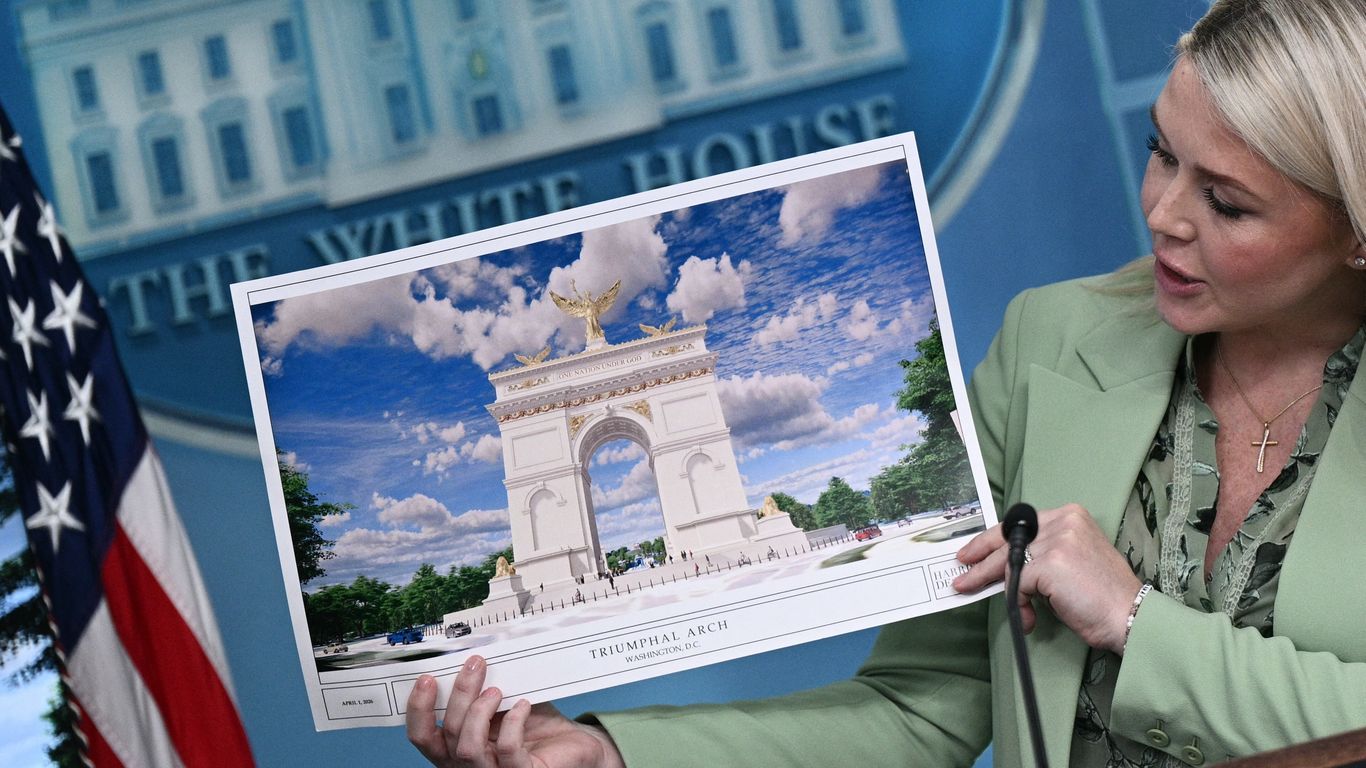
- Triumphal Arch Lawsuit: The District of Columbia and the Commonwealth of Virginia filed an emergency federal complaint to block construction of Trump’s planned 250-foot triumphal arch near Arlington, arguing the monument violates height restrictions and severely disrupts regional transportation networks.
- Summit Diplomacy: Campaigning in Pennsylvania, Trump told reporters he would be willing to invite Ukrainian President Volodymyr Zelensky to the upcoming G20 summit scheduled for December in Miami, despite having already extended an invitation to Russian President Vladimir Putin.
 Global Dynamics

- Israeli Coalition Turmoil: Prime Minister Benjamin Netanyahu faces difficult coalition negotiations after Arab-led parties secured a historic 19 seats in the Knesset (The New York Times), sparking weekend street demonstrations across Tel Aviv where protesters urged opposition leaders to form a joint alliance to unseat the government.
- European Civil Unrest: Demonstrations over consumer price inflation turned destructive in major
 German cities, where looting broke out in Berlin and Frankfurt (BBC News), while rallies in Lyon,
 France resulted in the burning of American and Israeli flags and more than 500 arrests nationwide (Times of Israel).
- African Statesman Passes: Joseph Lagu, the former military commander who negotiated the 1972
 Addis Ababa Agreement that granted autonomy to Southern
 Sudan before serving as a United Nations diplomat, died at age 94 (The New York Times).
 Tech & Trade Rivalries

- Cryptocurrency Cyber Assault: Binance restored 90% of customer deposits following a record $6.3 billion digital heist that federal investigators attributed to
 North Korean state-sponsored hackers (BBC News), while forensic firm Chainalysis reported that hackers employed offensive autonomous agents to compromise administrative accounts.
- Orbital Directed-Energy Systems: A Defense Intelligence Agency assessment warned that
 China is accelerating the development of spaceplanes and high-powered orbital lasers, potentially giving Beijing operational space-based directed-energy capabilities by 2030.
- Maritime Harassment:
 Taiwan's Coast Guard deployed patrol cutters off its eastern seaboard after Chinese Coast Guard ships entered eastern waters to enforce contested administrative claims (gCaptain), as the island prepared to initiate its annual Sky Dragon air combat exercises.
 Weather Desk: Storms and Weather in Progress
 Tropical Cyclone Four
 India · Category 1 wind speeds or higher
 NASA MODIS Terra, 01 November 2026
 On This Day: November 01, 2026
 Holidays & Observances: Observances include National Brush Day in the United States, alongside the historic Christian observance of All Saints' Day and Algeria's national Anniversary of the Revolution.
 Notable Birthdays: Actor and singer Anthony Ramos (1991),
 Japanese professional pitcher Masahiro Tanaka (1988), and actor Penn Badgley (1986).
 History: In 1921, Frances Kyle and Averil Deverell were admitted to the Bar of Ireland, becoming the first female barristers in Great
 Britain or
 Ireland (Bar of Ireland); in 1959, Montreal Canadiens goaltender Jacques Plante took the ice wearing a fiberglass mask after a puck shattered his nose, establishing the standard for modern sports safety (Jacques Plante); and in 1981, the Caribbean nation of Antigua and Barbuda gained full independence from the United Kingdom (Independence Day).
 The American Experience: Did You Know?
 The Ten-Foot Tin Sphere Behind "Keep the Ball Rolling"
 The History Desk:
 The Pre-Columbian Americas
The Willow Weaves of Xochimilco: Aztec Chinampa Agriculture Mexico · 14th–16th Century
 Why today: This engineered resilience illuminates today's global supply vulnerabilities as overnight drone strikes shut down Russian fuel refineries and sever regional Ukrainian electrical grids.