Podziemski Jumper: Lawmakers Clash as Election Day Looms Over Capital Hill
About this newsletterBeta
Radical Relay is a daily brief on markets, geopolitics, and Washington, sent every morning before the open. Subscribe free.
Radical Relay is in beta: sections and formatting are still changing, and a reply saying what looks wrong is the most useful thing a reader can send. Already a reader? Forward this to someone who would use it.

As the country braces for tomorrow's midterm elections, political tensions reached a boiling point following a stunning endorsement in Michigan's Senate race where Democratic Representative Haley Stevens backed Republican Mike Rogers over her former primary rival Abdul El-Sayed. Meanwhile, financial markets and energy analysts are reacting to reports that U.S. officials pushed to restore Russian natural gas flows to Europe via  Ukrainian pipelines, drawing swift rejection from European capitals. Amid these shifting geopolitical and domestic fault lines, Connecticut Senator Chris Murphy remains hospitalized and awake following a weekend stroke.
Key Markets & Economy · Conflict & Security · Washington & Politics · Energy & Climate · Tech & Science · World — link colours follow these themes throughout
 MACRO PULSE & PRICE TRACKER |
Futures +0.55% since the close • 30D -0.93%
|
This morning, before the open • 30D range 14.8–20.0
|
||||||||
$40.59T
$119,393 per citizen • $300,694 per taxpayer
|
3.75% – 4.00%
EFFR: 3.88% • SEP / Dot Plot & Press Conf
|
||||||||
Safe Haven & Central Bank Reserves
|
▬ 10Y ▬ 30Y • Spread +38 bps • steepening 4 bps on the day • was +34 bps on 30 Sep
|
||||||||
WTI: $99.36 • Brent 30D range $100–$118
|
Global Carry Trade & FX Liquidity
|
 S&P 500
 VIX Volatility
 Gold (XAU/USD)
 Crude Oil & Hormuz
 USD / JPY (Yen)
 ELECTION MARKETS |
Senate races closest to even, change since yesterday in points
| Iowa | Ashley Hinson (R) 53% −3 · Josh Turek (D) 48% +4 |
| Kansas | Adam Hamilton (D) 60% +9 · Roger Marshall (R) 41% −9 |
| South Carolina | Darline Graham (R) 69% −4 · Annie Andrews (D) 31% +4 |
| Nebraska | Pete Ricketts (R) 70% −5 · Dan Osborn (I) 31% +6 |
Biggest moves since yesterday
| FL-13 | Anna Paulina Luna (R) 67%, up from 62% |
| FL-27 | Maria Elvira Salazar (R) 59%, down from 64% |
Traders' prices, not polls or forecasts: what a contract paying $1 if it happens costs, read by Know Your Candidate at 06:56 UTC on 2 November. Every race and candidate is there.
 Trending Cycles
Haley Stevens' Last-Minute Endorsement Shakes Democratic Ranks

- Michigan endorsement: Democratic Representative Haley Stevens endorsed Republican Mike Rogers in the Michigan Senate race, delivering a major blow to Democratic nominee Abdul El-Sayed just days before the election, as reported by Politico.
- Party fallout: Democratic leaders and lawmakers swiftly condemned the move, with Representative Debbie Dingell calling a television defense of the endorsement by Stevens one of the most painful interviews she had ever watched.
Goldman Sachs Revises Upwards 2027 Energy Price Projections
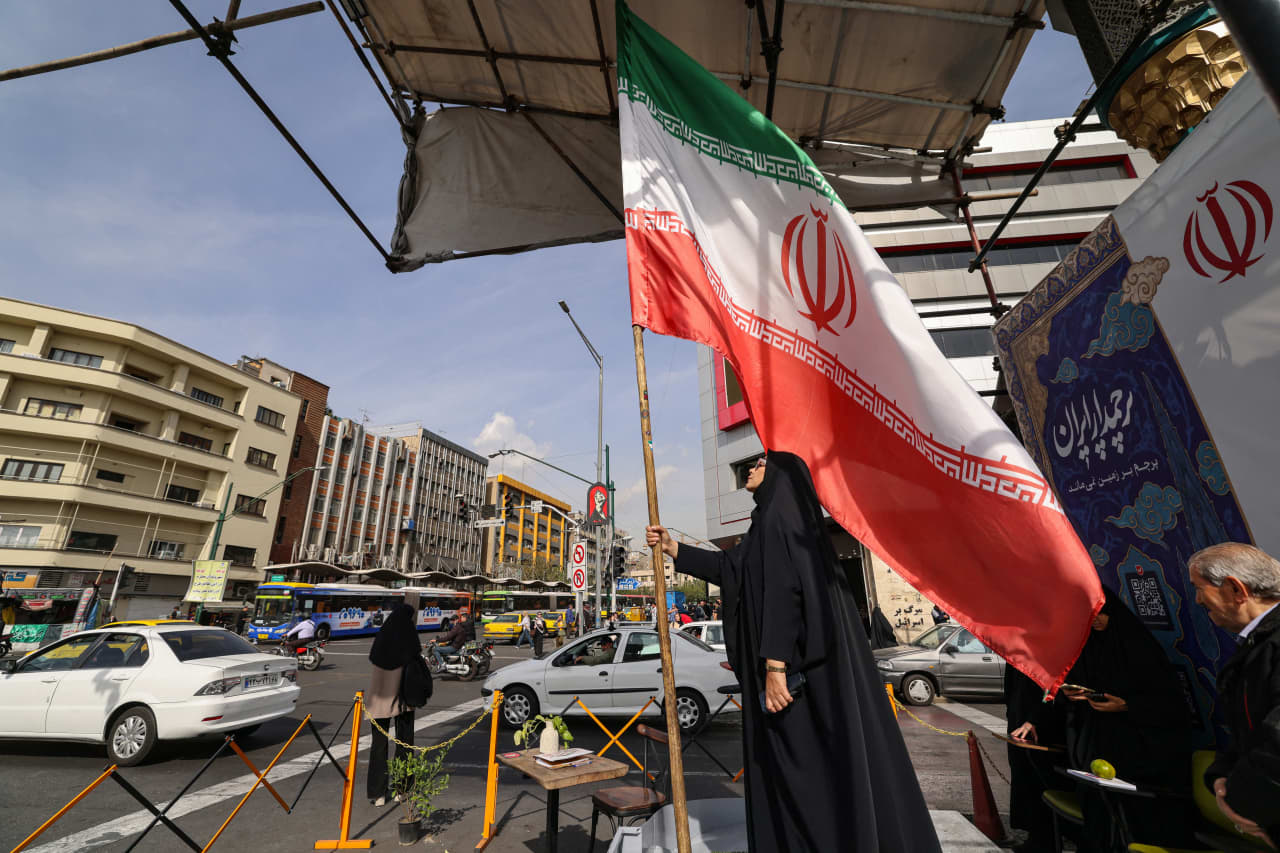
- Price forecast: Goldman Sachs analysts raised their December Brent oil price forecast to $105 per barrel, citing heightened risks to supply security, according to OilPrice.com.
- Escalation risks: The investment bank warned that Brent crude could average $130 per barrel next year and reach $140 if military tensions in the Middle East worsen.
U.S. Intermediary Proposal for  Russian Gas Draws European Rebiff

- Pipeline proposal: U.S. officials discussed with Russia the possibility of restoring natural gas flows to Europe through pipelines running through Ukraine using an American intermediary, as detailed by OilPrice.com.
- European rejection: European officials firmly rejected the idea, while Kremlin spokesman Dmitry Peskov noted that resuming supplies via Ukraine remains currently impossible.
 The Radar
This Week in Congress & Capitol Hill Watch
- Chamber recess: Neither the House nor the Senate is currently voting, with the House's last recorded vote occurring on September 16 and the Senate's on September 30, according to the Clerk of the House and Voteview.
- Committee calendar: The House Education and Workforce Committee has scheduled a hearing titled "Workers in Charge: Restoring Choice and Accountability in the Workplace" for Friday, November 13, per the official committee calendar.
- Recent legislation: The House's final votes before recess included passing S. 2403, the Retire through Ownership Act, 218 to 210, as tracked by the Office of the Clerk.
US Politics & Election Watch

- Midterm countdown: The 2026 midterm elections are exactly one day away, with all 435 House seats, 35 Senate seats, and 36 governorships on the ballot, as outlined by MercoPress.
- Early voting trends: Final early voting records from states including Texas, Georgia, and North Carolina point to a strong Democratic engagement advantage, analyzed by G. Elliott Morris.
- Legal challenges: A federal judge dismissed a Department of Justice lawsuit seeking to block the certification of Alaska's Senate election results, ruling the administration lacked standing, according to Roll Call.
Ukraine War & Frontline Watch

- Infrastructure strikes: Russian guided aerial bombs struck Izium, killing one person, injuring several others, and completely cutting off electricity across the city, reported Ukrainska Pravda.
- Supply disruptions: Ukrainian long-range drones struck a major Transneft-owned oil transport hub in Russia's Samara region, sparking a large fire at the strategic tank farm, according to The Moscow Times.
- NATO partnership: NATO and Ukraine signed a new defense innovation agreement granting Ukrainian startups access to DIANA challenges and over 200 allied testing centers, noted NOELREPORTS.
 Iran, Hormuz & Middle East Conflict Watch
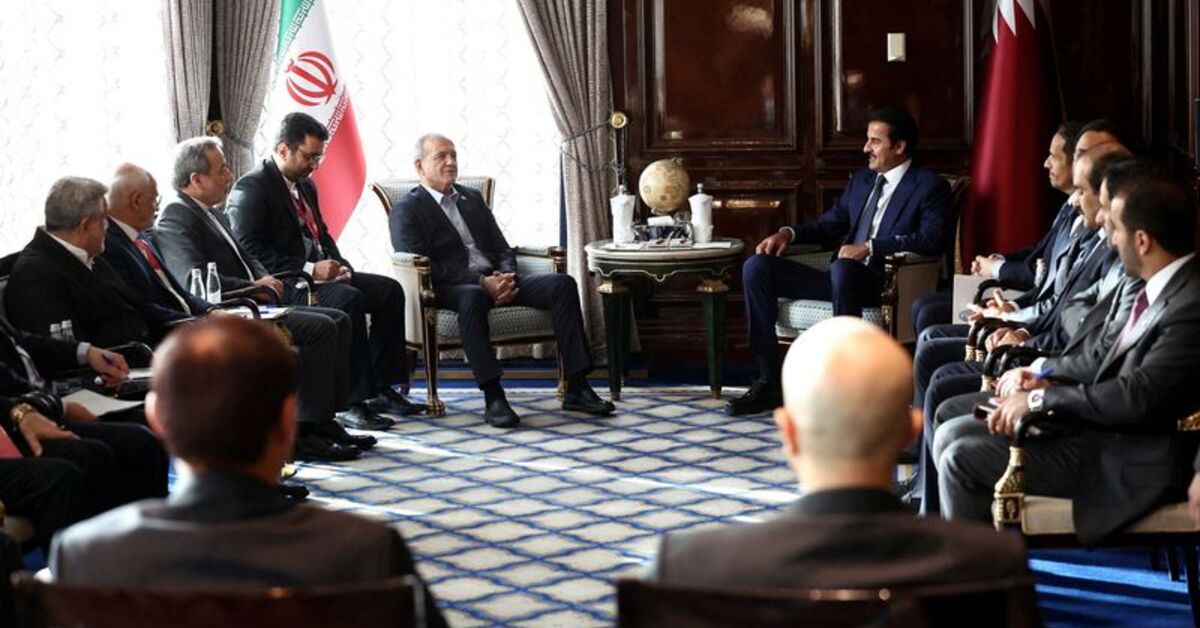
 Doha talks pause: Iranian negotiators departed from talks with Qatari mediators aimed at ending the war with the United States while a draft proposal circulates, reported Al-Monitor.
 West Bank withdrawal: The
 Israel Defense Forces ended a controversial 11-day operation in Hebron that had displaced 3,300 Palestinian residents following a deadly shooting attack, according to the Times of Israel.
- Shipping security:
 Pakistani officials previously negotiated safe passage with Iran for the LNG carrier Al Mayeda before the vessel was attacked near the Strait of Hormuz, noted gCaptain.
 Macro & Monetary Policy
- Treasury yields: The 10-year Treasury yield settled at 4.93% and the 30-year yield at 5.31%, creating a 38 bps curve spread that steepened 4 bps on the day, per Yahoo Finance.
- Commodity pricing: Gold traded at $3,913.60 per ounce, while Brent crude stood at $108.49 per barrel and WTI crude at $99.36 per barrel amid ongoing supply security concerns.
- Policy rates: The Federal Reserve's target range remains at 3.75% to 4.00% with an effective federal funds rate of 3.88% ahead of the December 9 FOMC rate decision, according to the New York Fed.
 White House Watch: Trump, the Cabinet & Family Business
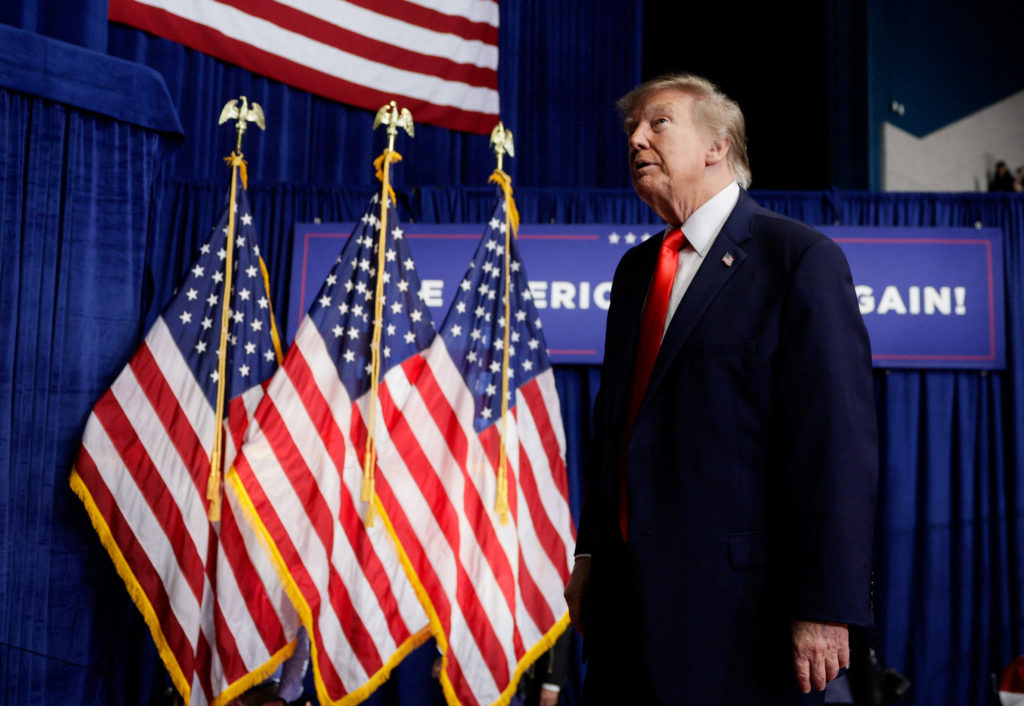
- Midterm rallies: President Trump concluded his final campaign swing with a rally in Iowa, insisting that voters are poised to elect America First Republicans up and down the ballot, reported PBS NewsHour.
- Housing initiative: Trump announced an executive order directing Fannie Mae and Freddie Mac to invest $4.3 billion in Kansas mortgages next year, highlighted by Aaron Rupar.
- Legal defense: Federal courts continue to review multiple administration legal filings, including Justice Department requests regarding state election worker protections and voting regulations, noted Law Dork.
 Global Dynamics

- European space strategy: European Space Agency leadership traveled to the
 United Arab Emirates to forge new partnerships and reduce reliance on American space technology following the rapid rise of SpaceX, reported Al-Monitor.
 Somalia withdrawal:
 Uganda began withdrawing its peacekeeping troops from Somalia after 20 years of contributing to the African Union stabilization mission, according to BBC News.
 Bulgarian election: Acting President Iliana Yotova won the second round of Bulgaria's presidential election on November 1, becoming the country's first female president, noted Meduza.
 Tech & Trade Rivalries

- Exchange outflow: Spot bitcoin ETFs shed $643 million in their largest single-day outflow in four months, following a record security breach at Binance that prompted $3.64 billion in net outflows, reported The Block.
- Drone supply chains: Ukrainian military intelligence reported that eight
 Chinese and four American manufacturers supply components for Russia's upgraded Gerbera drone, detailed by Euromaidan Press.
- Logistics acquisition: AIT Worldwide Logistics expanded its Oceania footprint by acquiring
 Australian freight forwarder Connor Anderson International, which is involved in regional tech infrastructure buildouts, according to FreightWaves.
 Weather Desk: Storms and Weather in Progress
 Tropical Cyclone Murasu
maximum sustained winds of 120 km/h (74 mph), moving in the North Indian Ocean
Located in  India, with a GDACS red alert in force affecting 2.104 million people
Day 2, tracked by GDACS since 1 November; since yesterday: little changed.
 NASA VIIRS, 02 November 2026
Sources: GDACS report
 On This Day: November 02, 2026

2008: List of Formula One World Drivers' Champions. Image: emperornie on Flickr., CC BY 2.0, via Wikimedia Commons

 US Public Holidays: None recorded on the federal calendar.
- Christian Commemorations: All Souls' Day is observed across the Roman Catholic Church and Anglican Communion.
- Notable Birthdays: American football quarterback Jordan Love was born in 1998, NFL quarterback Jimmy Garoppolo in 1991, and
 Ecuadorian footballer Moisés Caicedo in 2001.
- Historical Events: In 2008, Lewis Hamilton secured the Formula One World Drivers' Championship by overtaking Timo Glock in the final corners of the
 Brazilian Grand Prix. In 2000, the first resident crew arrived at the International Space Station. In 1963, South
 Vietnamese President Ngô Đình Diệm was arrested and assassinated during a military coup.
 The American Experience: Did You Know?
 The Wartime Ration Origins of Processed Cheese Singles
Long before individually wrapped cheese slices became a staple of American grilled cheese sandwiches and fast-food burgers, the underlying technology was perfected to solve a massive military logistics hurdle during World War II. The Quartermaster Corps needed a dairy product that could survive unfrigerated transport across Pacific shipping lanes without spoiling or separating. The resulting pasteurized process cheese innovation ensured American troops received stable rations, permanently altering post-war supermarket dairy aisles.
 The History Desk:
 Medieval & Early Modern Europe
The Venetian Silver Grosso and Fourteenth-Century Monetary Stability
During the fourteenth century, the Republic of Venice maintained rigorous stability in international trade through the strict minting of the silver grosso, a coin whose weight and purity were fiercely guarded by the Venetian Senate. While neighboring European monarchies routinely debased their currency to finance military campaigns, Venetian bankers relied on predictable metallic standards to anchor long-distance commerce across the Mediterranean. This institutional credibility transformed Venice into Europe's premier financial clearinghouse, allowing merchants to write complex credit contracts backed by reliable coin values. Contemporary chroniclers and modern economic historians note that this monetary discipline directly insulated the republic's merchant houses from the wider fiscal panics affecting continental feudal states.
 Why today: This historical insistence on monetary credibility illuminates today's global market anxieties surrounding sovereign debt trajectories and central bank policy rates.